







The Future of Law: Flexible, Secure, Human-Centered Legal Workspaces
Legal work is being reshaped by hybrid teams, digitization, and rising client expectations. Offices are now strategic tools that influence confidentiality, collaboration, talent retention, and client trust. Explore the trends transforming legal workplaces, new design principles that make a difference, and how CFI Workspace helps firms build secure, flexible environments that are ready for what comes next.

Law Firm Office Design Trends: What’s Changing + How CFI Workspace is Helping Firms Adapt

The private office is evolving, not disappearing.
Attorneys still need quiet, focused rooms for sensitive work, but oversized corner offices are giving way to standardized, one-size offices for partners and associates. This results in greater equity, easier reconfiguration, and a smaller, more efficient footprint aligned with adaptive workspaces for legal industry needs.
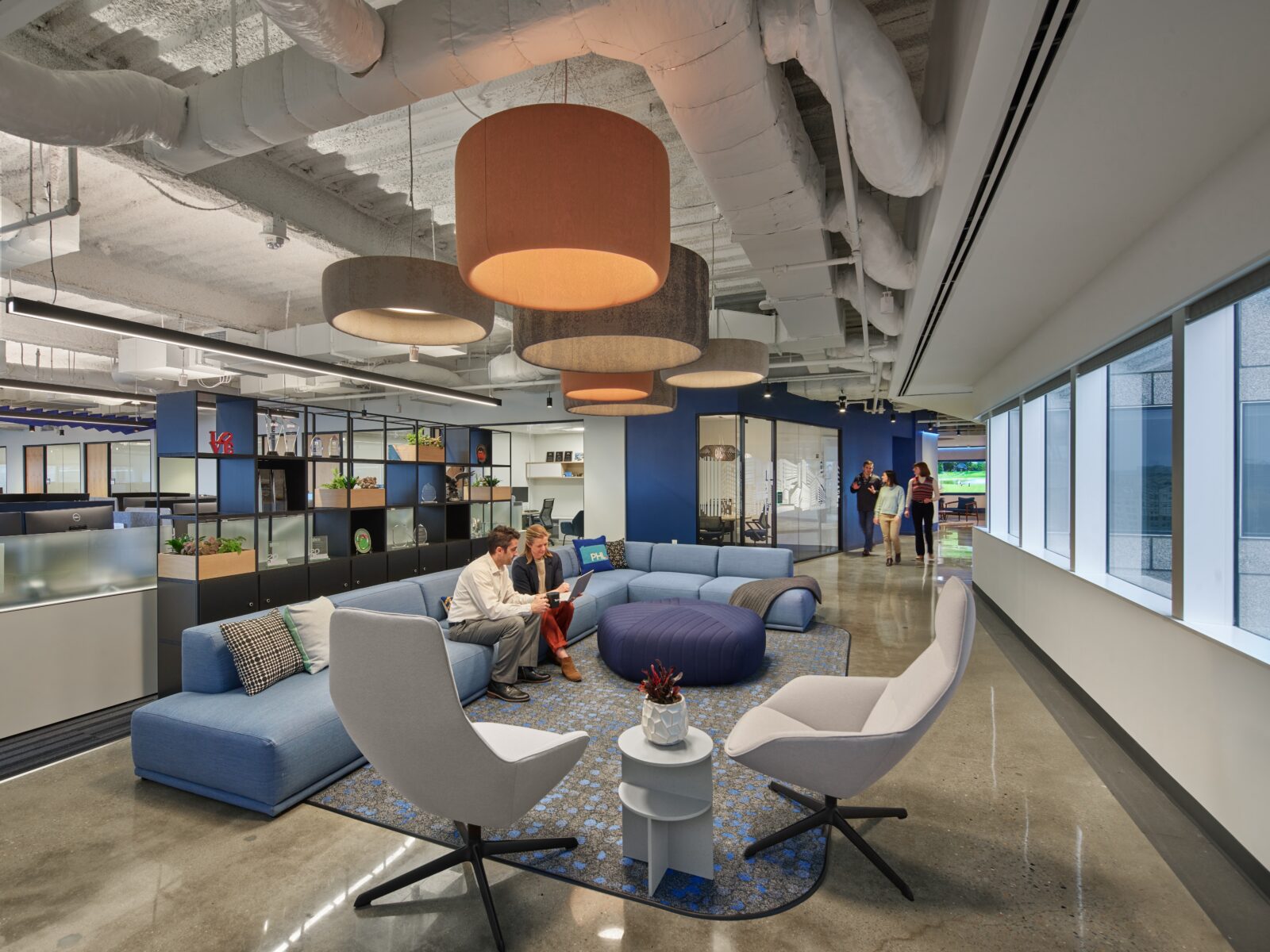
Storage is shrinking. Collaboration space is growing. As records move online and software streamlines admin tasks, former file and support areas are being reinvested into amenities, such as coffee bars, wellness rooms, lounges, and informal gathering zones that bring people together.

Hybrid work is here to stay.
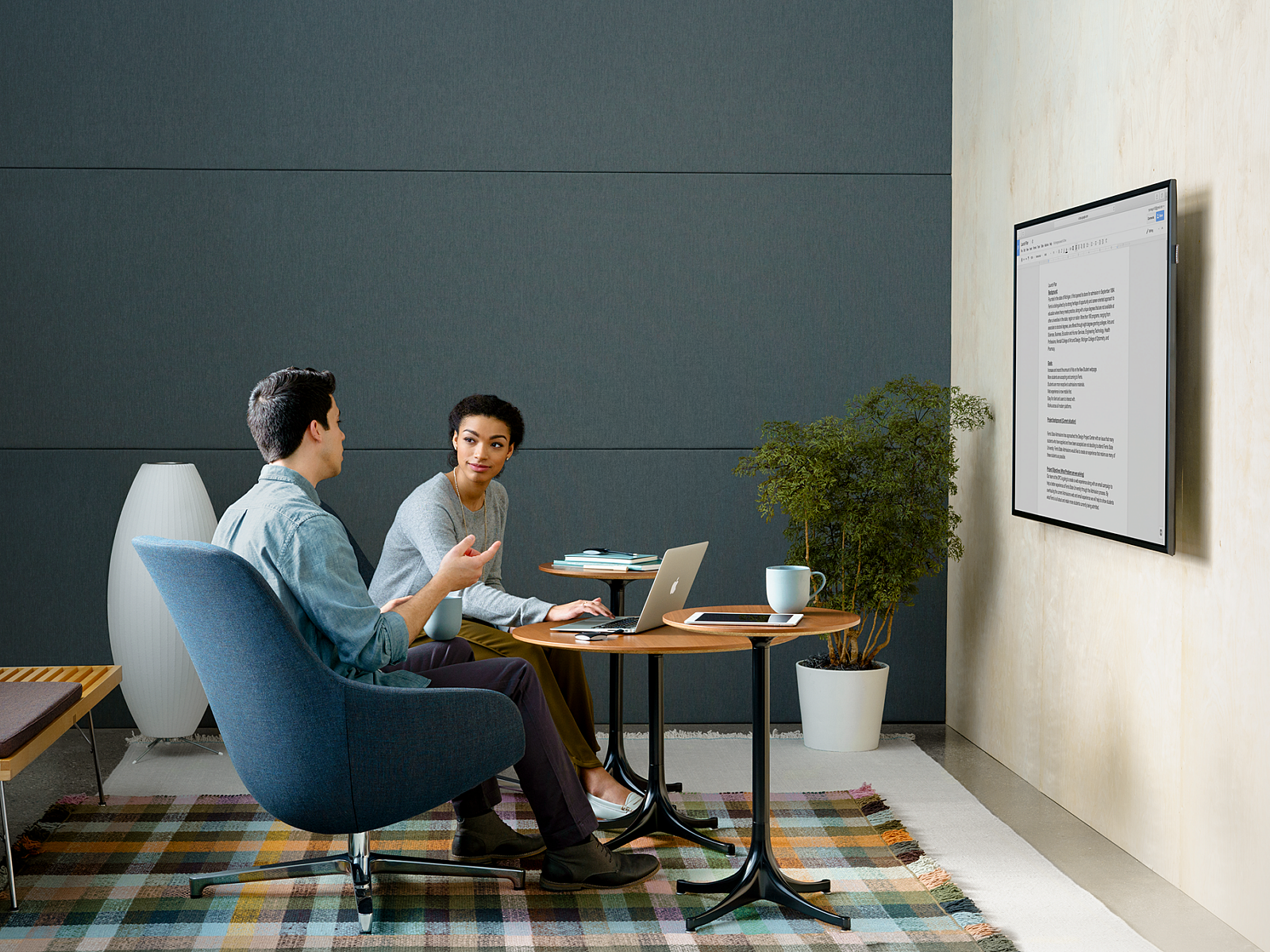
Firms are designing spaces people want to use: tech-enabled rooms for hearings and client calls, acoustic privacy, and layouts that flex between deep focus and team collaboration.
Wellbeing and connection are now business strategy. Sit-stand desks, biophilic elements, natural light, and comfortable communal spaces reduce stress and support retention in a high-pressure profession.
CFI Workspace helps firms adapt with modular furniture, acoustic privacy solutions, technology-ready meeting rooms, and hospitality-inspired amenities tailored to legal work.
Design Principles for Modern Legal Spaces

Flexibility and modularity.
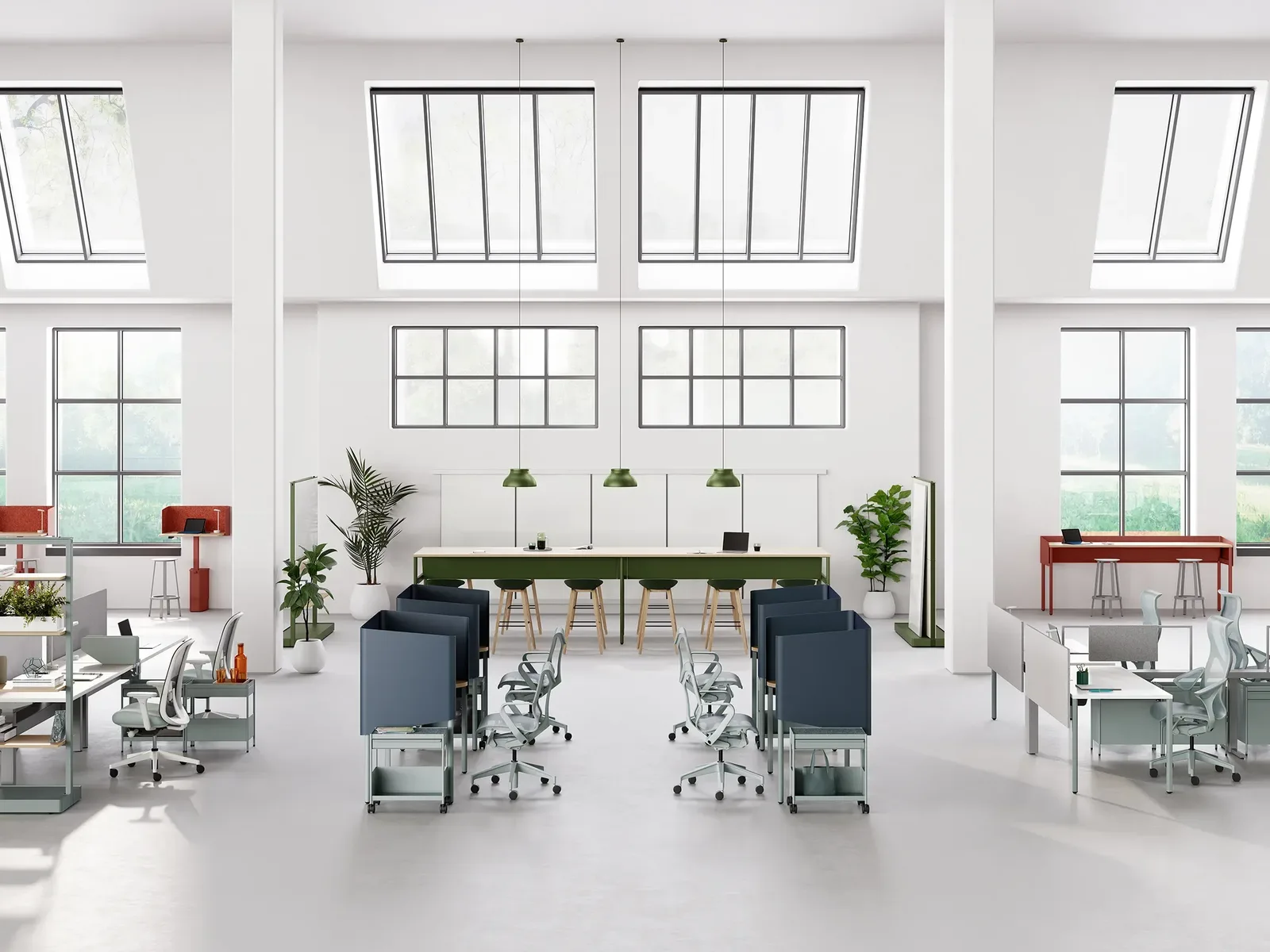
Multi-purpose rooms and movable partitions let spaces shift from deposition prep to client workshops in minutes. Mobile power, modular tables, and acoustic screens enable quick reconfiguration as caseloads and team sizes change, anchoring the future of legal workspaces.
Confidentiality and professionalism. Sound-isolating rooms, sound masking, and well-sealed doors safeguard sensitive conversations. For virtual matters, AV-ready rooms with clear audio, neutral backdrops, and professional lighting elevate the client experience.
Equity, accessibility, and wellbeing. Adjustable desks, barrier-free circulation, and ADA-compliant rooms ensure equitable access. Daylight, plants, and dedicated wellness rooms support focus and mental health for employees.
How CFI Workspace Supports the Shift in Legal Office Design
- Acoustic and glass solutions that maintain visual openness while protecting client confidentiality.
- Ergonomic, wellness-forward furniture—sit-stand desks and comfortable collaborative seating—for long workdays.
- Tech-enabled meeting environments designed for hearings, depositions, and client meetings over video and in person.
- Reconfigurable, modular systems to convert underused offices into conference rooms or huddle spaces without full renovations.
- Hospitality-inspired amenities—cafés, lounges, wellness rooms that make the office a destination, not just a seat.
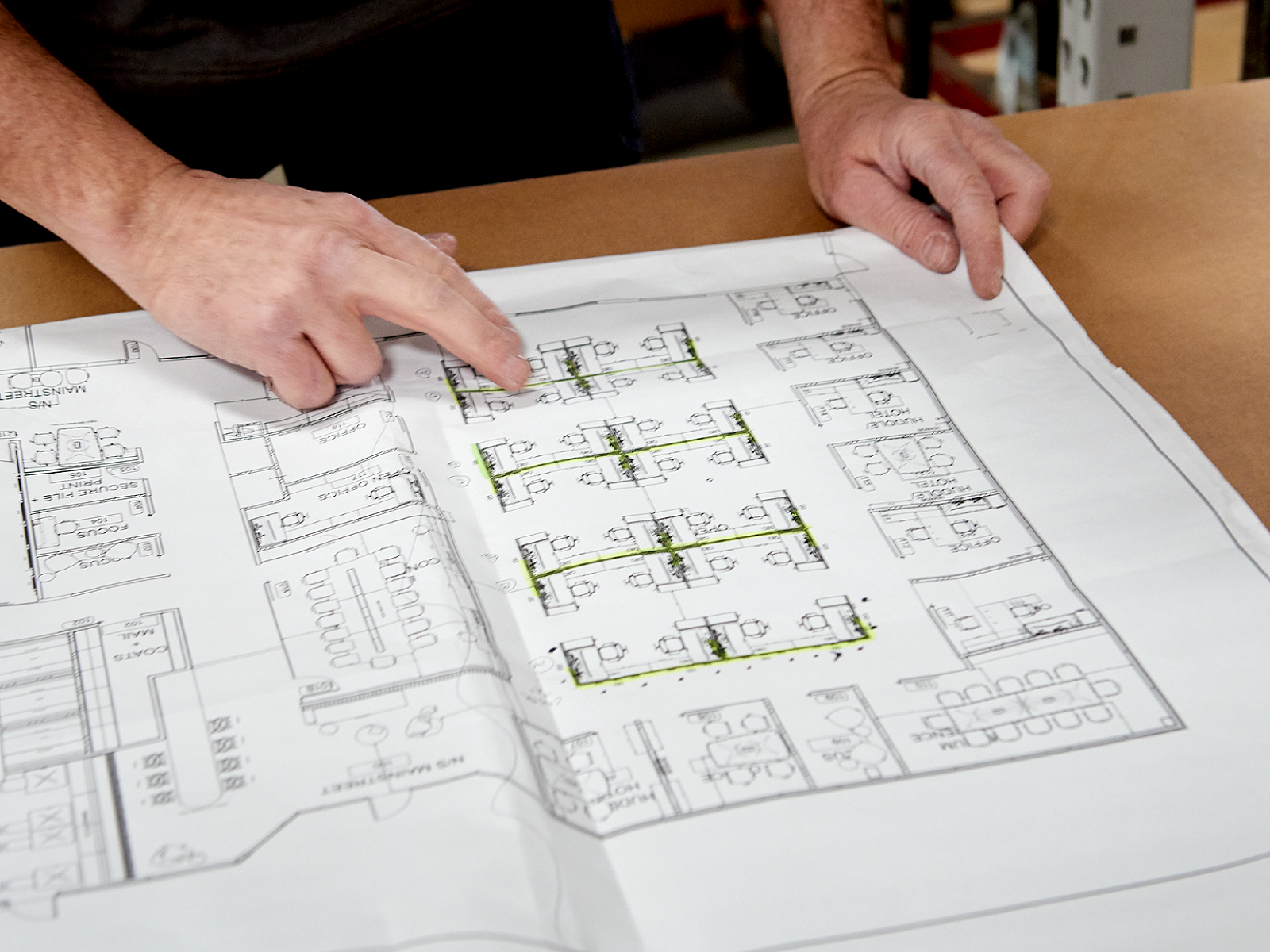
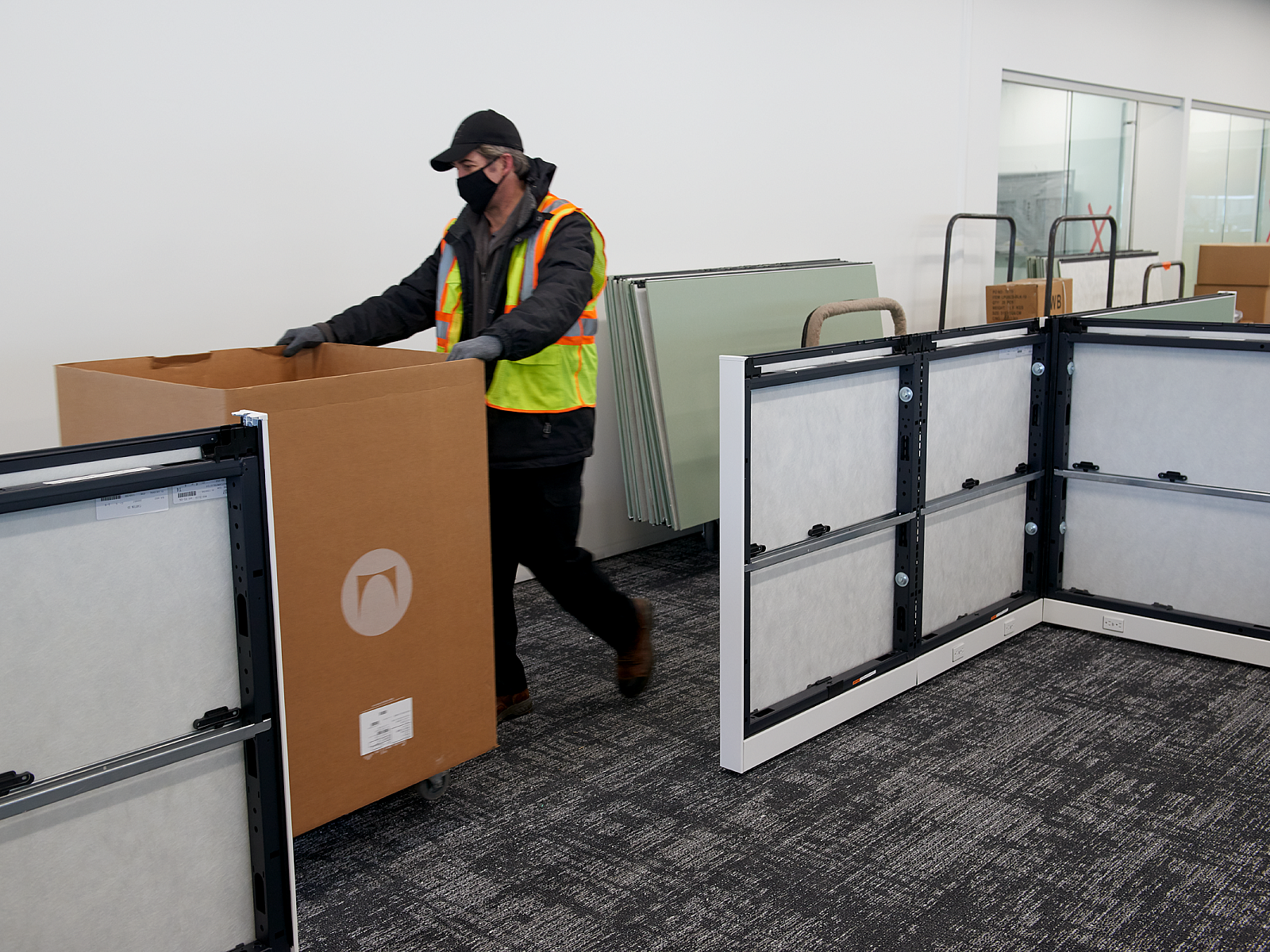
From needs assessment and space planning to procurement and installation, CFI Workspace delivers end-to-end solutions. Post-occupancy, we support change management and data-driven optimization, refining room sizes, booking policies, and technology deployment as your practice evolves. This is how we operationalize adaptive workspaces for legal industry practices and support the future of legal workspaces.
Ready to discuss your next space?
Contact CFI Workspace to start the conversation about the future of law / legal spaces and how CFI Workspaces can support.

Frequently Asked Questions
Why are law firms redesigning their offices?
Hybrid work, digitized records, and competition for talent are driving smaller, more flexible footprints centered on collaboration, confidentiality, and wellbeing.
Are private offices going away?
No. Private offices remain essential for focused, confidential work, but they are shifting to a standardized size rather than hierarchy-driven footprints, fitting into adaptive workspaces for legal teams.
What furniture do modern law offices need?
Reconfigurable and modular systems, acoustic-rated glass partitions, sit-stand desks, and conference furniture with integrated power, cameras, and displays for hybrid meetings that reflect the future of law / legal spaces.
Where does CFI Workspace design law offices?
We partner with legal clients across the Southeastern Pennsylvania, New Jersey and Delaware region on space planning, furniture, and complete workplace solutions focused on creating a workspace where employees and clients thrive. We also support clients nationwide.
